In an era defined by Amazon Prime and endless retail options, the pressure to give the "perfect" gift can feel monumental. We scroll through curated lists, comparing price points and perceived value, often feeling that sentimentality is something reserved only for expensive, handcrafted items. But what if true thoughtfulness wasn't measured in dollars? What if the magic of a gift had nothing to do with its origin point—be it a small local shop or a global factory line? The challenge many face is understanding how to make a gift meaningful even if it's mass-produced. Spoiler alert: it has everything to do with you.
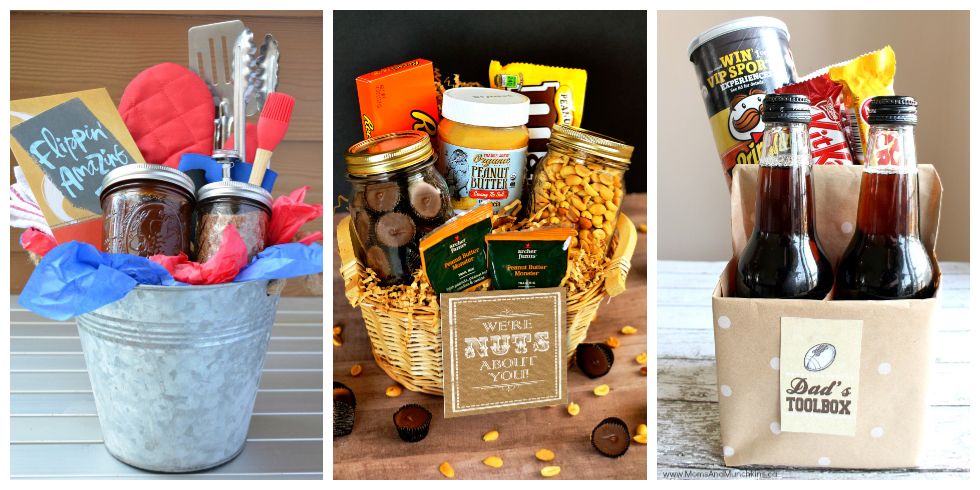
Gift-giving, at its heart, is an act of communication. It’s saying, "I see you." When we treat gifts merely as transactions—an exchange of goods for appreciation—we lose the entire point. We start viewing objects instead of people. Recognizing this shift in focus is the first step toward becoming a gifting maestro, capable of transforming commodity items into treasured keepsakes that speak volumes about the giver's care.
Shifting Focus: From Material Value to Emotional Resonance
The biggest mistake we make when selecting gifts is equating monetary value with emotional worth. A $5 gift that perfectly captures a Luxury Hamper shared memory will always outshine a $500 item chosen simply because it looks impressive on a shelf. The goal isn't luxury; the goal is recognition. We need to stop asking, "Is this expensive enough?" and start asking, "Does this speak directly to their unique life right now?"
Think of your gift-giving process like being an archaeologist: you aren't looking for gold; you are digging up a piece of history—the recipient’s current passions, challenges, or quiet joys. How well do you know the person? Do they complain about needing better coffee gear, even if they pretend not to? Are they obsessed with sustainability, even when it inconveniences them? These small details are golden nuggets of information.
- Observe their habits: What mundane things do they use every day that show wear or neglect? A specific notebook, a favorite worn-out mug, a particular brand of tea? Listen for complaints: Often, the most valuable gift is the solution to a problem they haven't even fully articulated yet.
By doing this groundwork, you bypass the superficiality of mass marketing and move straight into personalized utility.
Curating the Experience: The Art of Presentation
The physical item might be ubiquitous—a generic scented candle, a popular journal, or a brand-name lip balm. But how it arrives is its chance at redemption. We need to treat the gift not as an object, but as part of a curated experience. This requires transforming the mundane packaging into a moment of delight.
Consider this: If you buy a nice scented candle that smells like "Rainy Day Bookstore," don't just wrap it in plain tissue paper. Gather some items that complement its mood. Perhaps include a small packet of gourmet tea, a bookmark with a literary quote, and a handwritten list of three local bookstores within driving distance. Suddenly, the mass-produced candle is anchored by an entire scenario.
The presentation acts like a narrative bridge. It tells the recipient: "I didn't just buy you this thing; I spent time imagining what it would be used for." The packaging doesn't need to be artisanal itself; it just needs to feel deliberate. Do your wrapping paper choices reflect their style? If they love vintage aesthetics, wrap it in brown butcher paper and twine. If they are minimalist, use simple white boxes with black ribbon.
Weaving the Story: Connecting Gaps and Memories
This is where the magic happens—the emotional layering that elevates a functional gift into an heirloom moment. Because we often struggle with how to make a gift meaningful even if it's mass-produced, we tend to focus only on the object itself. But the story around the object is what carries the weight of affection.
A great way to do this is through the accompanying note, but that note must be more than "Happy Birthday." It needs context. Instead of simply writing, "I hope you like this book," try: "Remember when we were stuck in traffic last year and talked about needing a sci-fi escape? I found this author—I think you’ll get lost in Chapter 3."
This act transforms the object from an isolated purchase into a tangible memory trigger. It makes the gift feel like it was waiting for them, just as they were waiting for the moment to rediscover their passion.
One friend of mine once gave a colleague a very common, mass-market set of watercolor paints. Most people would think, "It's cheap." But when she presented it, she spent ten minutes recounting the time they painted badly in college dorm rooms and how much fun they had failing together. The gift wasn't the paint; it was the recollection of shared creative chaos that made the object feel instantly imbued with history.

As one renowned literary critic once noted, "The greatest gifts are not things, but moments." It’s about invoking a feeling—nostalgia, excitement, comfort—that is far more potent than any velvet ribbon can capture.
Tailoring the Message: The Power of Intentional Gifting
If you master the narrative and presentation, you’ve learned how to make a gift meaningful even if it's mass-produced. But what about the final touch? It’s often the smallest gesture that makes the recipient feel seen.
When considering how to make a gift meaningful even if it's mass-produced, always circle back to the recipient's current life stage. Are they stressed from work? Give them an anti-stress kit (a fancy tea, a nice weighted blanket). Are they starting a new job? Give them something that signals professional support (a high-quality pen and a journal with their initials subtly engraved).
Never forget the power of pairing utility with indulgence. A highly practical item paired with a small luxury (like gourmet chocolate or a scented hand cream) shows that you care about both their function and their sense of self-care.
Cultivating Future Thoughtfulness in Giving
The ability to make ordinary items extraordinary is not an innate talent; it's a practiced skill rooted in empathy and keen observation. Think of thoughtful giving as building emotional muscle—the more you practice noticing the subtle details of your loved ones, the stronger that muscle becomes.
- Research their interests: Spend thirty minutes reading about what they are passionate about right now (a niche hobby, a complex theory). Consult friends: Ask others who know them well for "blind suggestions" on gifts or experiences they might love. Prioritize the 'Why': Before you buy anything, write down one reason why this gift speaks to the person's spirit, not just their wallet.
By shifting your focus from acquisition to connection, you realize that every object has potential. You become an editor of circumstance, capable of taking a commodity piece and editing it into a cherished moment. This mindful approach ensures that no matter where the item comes from, its value is determined solely by the depth of thought behind the gesture. A Gift Hamper Delivery truly thoughtful gift will always feel like magic, regardless of its retail tags.